Updated 09/16/2026
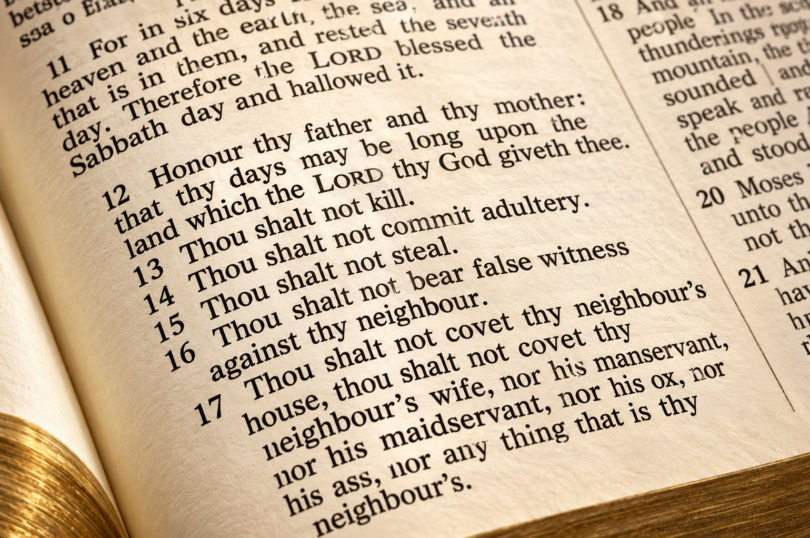
“Remember the Sabbath day, to keep it holy. Six days you shall labor and do all your work, but the seventh day is the Sabbath of the Lord your God. In it you shall do no work… For in six days the Lord made the heavens and the earth, the sea, and all that is in them, and rested the seventh day. Therefore the Lord blessed the Sabbath day and hallowed it.” (Exodus 20:8–11, emphasis mine)
In Exodus 20:8, God commands His people to remember the Sabbath day and keep it holy. Holy means “set apart.” The seventh day was therefore to be set apart as a memorial of God’s completed work of creation. God identifies the seventh day as belonging specifically to Him, “the Sabbath of the Lord your God.”
The command establishes a direct parallel between God’s creation week and mankind’s ordinary workweek. We are to work for six days and rest on the seventh because God created for six days and rested on the seventh. The pattern is deliberate: six days of work followed by one day of rest.
This is especially significant because the commandment itself points directly back to creation: “For in six days the Lord made the heavens and the earth, the sea, and all that is in them.” The precision of the language leaves little room for separating the six days of human labor from the six days of God’s creative work. The same commandment describes both using the same weekly pattern.
God’s meaning is clear: six days of creation, followed by the seventh day of rest. The Sabbath was established as a continual reminder of that creation week.
Exodus 31:18: “He gave Moses two tablets of the Testimony, tablets of stone, written with the finger of God.”