COAL-LIKE MATERIAL FORMED RAPIDLY IN THE LABORATORY

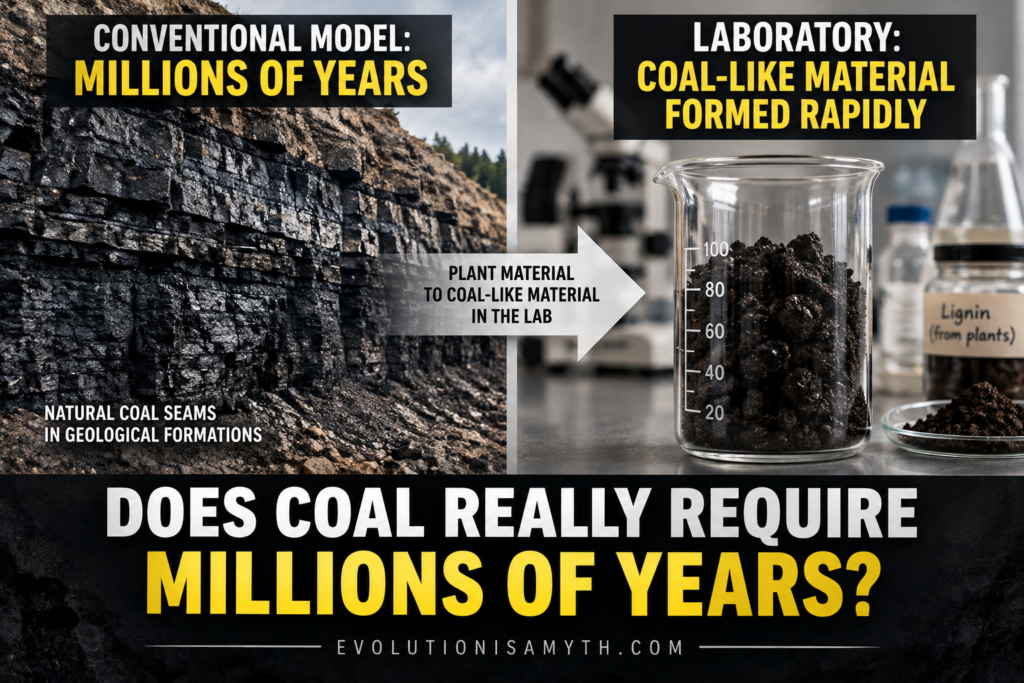
Coal is conventionally understood to form from buried plant material that undergoes chemical and physical transformation through heat, pressure, and geological processes over long periods of time.¹ Many major coal deposits are assigned ages of hundreds of millions of years based upon the geological formations in which they occur.
But does the actual chemical transformation of plant material into coal-like material itself require millions of years?
SCIENTISTS MAKE ARTIFICIAL COAL
Researchers at Argonne National Laboratory demonstrated that coal-like material can be produced without waiting geological ages.
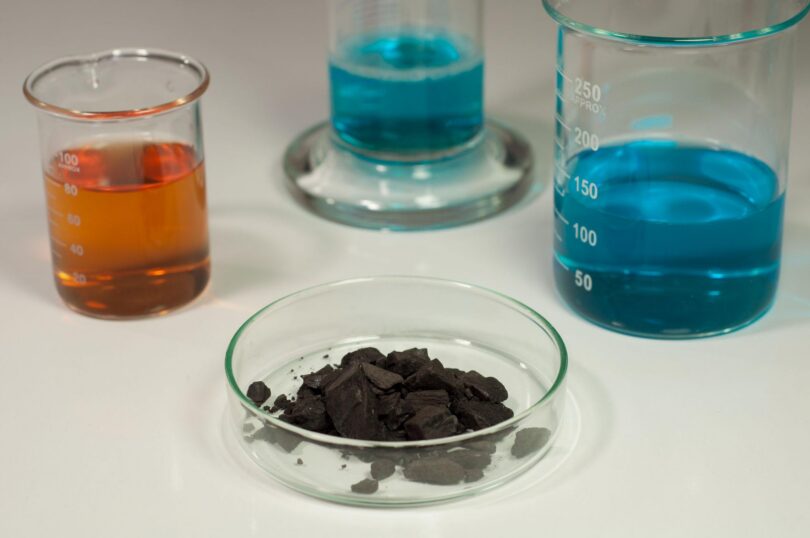
In research reported by the American Chemical Society’s Chemical & Engineering News in 1983, Argonne scientists successfully produced an artificial coal-like material from lignin, a naturally occurring structural component of plants. Their process used clay catalysts and conditions considerably less severe than researchers had previously believed necessary.²
The ACS report explained:
“Chemists at Argonne National Laboratory have succeeded in making a type of artificial coal from naturally occurring materials.”
The research was significant because it challenged assumptions about precisely how coalification chemistry occurs. Randall E. Winans, who led the Argonne group investigating coal structure, was quoted as saying that there was “no incontrovertible evidence to support any particular theory of coalification.”²
WHAT THE EXPERIMENT ACTUALLY DEMONSTRATES
This experiment does not show that the world’s natural coal seams formed by exactly the same process used at Argonne, nor does it establish the age of any particular coal deposit. Natural coal beds contain geological features that must also be explained, including their burial history, surrounding sediments, temperature history, composition, and coal rank.
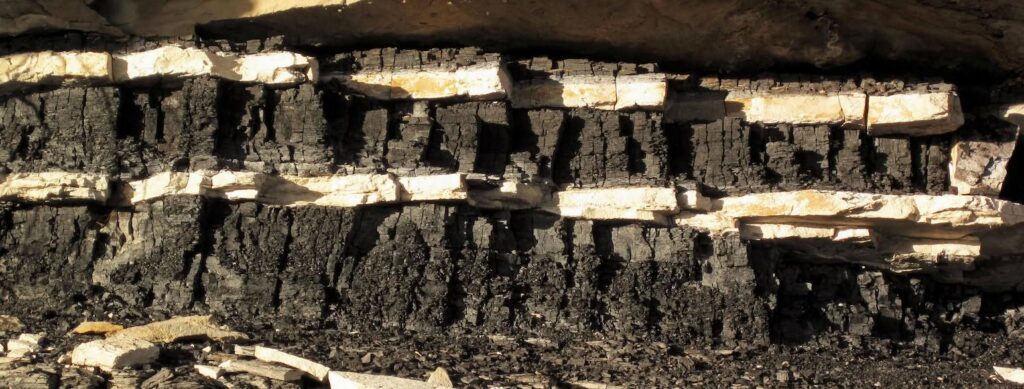
What the experiment does demonstrate is more limited, but important: the chemical conversion of plant-derived organic material into a coal-like substance does not inherently require millions of years. Under suitable conditions, important coalification reactions can occur comparatively rapidly.
COAL DOES NOT CONTAIN A BUILT-IN CLOCK
Modern geology recognizes that temperature is particularly important in determining coal rank and that burial itself can occur either slowly or relatively rapidly.¹ Conventional geological models generally interpret natural coal deposits as having undergone coalification over geological timescales, but those ages are not established merely by measuring how long the chemical transformation into coal must take.
Therefore, the existence of coal cannot itself be used as a clock requiring millions of years. Laboratory experiments show that at least important parts of coalification chemistry can proceed much more rapidly under appropriate conditions.
The important question is not merely, “How long does coal take to form?” but rather, “What physical and chemical conditions produced a particular coal deposit, and how independently can the duration of that process be established?”
SOURCES
¹ U.S. Geological Survey, “Coal: A Complex Natural Resource.”
² Joseph Haggin, “Argonne Scientists Make Artificial Coal: Process Using Clay Catalysts to Transform Lignin Provides New Insights into Coal Structure and How to Alter It,” Chemical & Engineering News, Vol. 61, No. 47, November 21, 1983, pp. 42–43.